

AI Assisted Production That Keeps the Human Touch Alive
AI can make production faster, cleaner, and easier to scale. It can draft a script, sort footage, suggest edits, generate variations, clean audio, and turn a rough idea into a usable first pass.
That speed is useful. It can also flatten the work.
When every choice comes from a prompt, the result may look polished but feel thin. The missing piece is usually not skill. It is judgment. Taste. Memory. Context. The small human decisions that make a piece feel made for someone, not just made quickly.
The goal is not to keep AI out of production. The goal is to use it in the right places, with the right limits, so the finished work still carries a point of view.
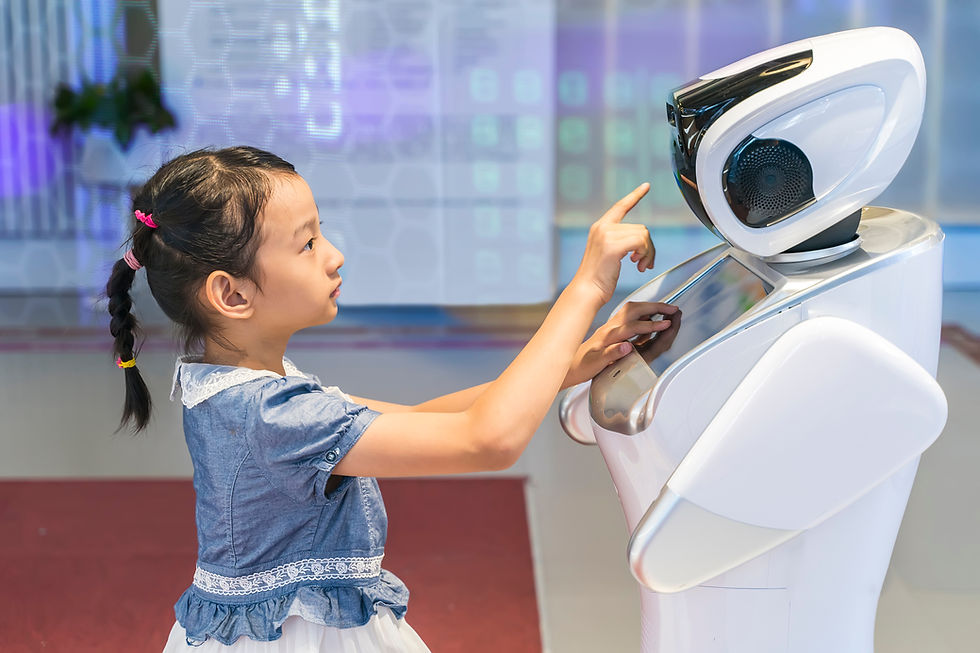
AI works best when it starts as an assistant, not an author
AI can produce a lot of material in seconds. That makes it tempting to let the system decide the shape of the work from the start. But the strongest results usually come from a different order.
A human sets the intent first.
That means answering a few plain questions before any tool gets involved:
What should this piece make someone understand, feel, or do?
What should it avoid saying?
What point of view should come through?
What would make the work feel generic?
What details can only come from real experience?
Once those answers are clear, AI becomes more useful. It can test options, speed up repetitive work, and surface gaps. Without that direction, it tends to average out what already exists.
This applies across many forms of production. A video editor might use AI to create a rough transcript, but still decide where the emotional beat belongs. A podcaster might use AI to remove background noise, but keep the pause before an honest answer. A writer might ask for structure ideas, then replace vague lines with real observations from a conversation, a site visit, or a lived moment.
The human touch often begins before the first draft. It begins in the brief.
A weak brief asks AI to “make something engaging.” A strong brief gives texture:
The audience knows the basics but feels stuck on the next step.
The tone should be calm and practical.
Avoid hype.
Use one real example from a small team, not a giant brand.
Leave room for doubt where the answer is not simple.
Those details protect the work from becoming smooth and empty.
The human touch lives in decisions that do not scale
Production tends to value speed, consistency, and repeatable systems. Those things matter. Deadlines are real. Budgets are real. Teams need a common process.
But the parts of the work that people remember often come from decisions that do not scale neatly.
A line that stays because it sounds true.
A scene that remains quiet instead of being filled with music.
A product photo that shows the scuff on the edge because that scuff tells a story.
A customer quote that keeps the speaker’s rhythm rather than cleaning it into bland perfection.
AI may recommend the neatest version. People often connect with the more specific version.
That does not mean every rough edge should stay. Human production is not the same as messy production. The point is to choose what gets cleaned up and what keeps its character.
A useful rule is simple: polish should make the message clearer, not erase the person behind it.
For example, AI can smooth a transcript into grammatically perfect sentences. That helps if the speaker wandered or repeated the same point. But if the speaker has a distinctive way of phrasing something, remove too much and the voice disappears. The better edit keeps the meaning, trims the clutter, and preserves the cadence.
The same applies to visuals. AI tools can remove imperfections, extend backgrounds, and generate missing elements. Those features can save a project. They can also create a world where everything looks too clean. Human judgment decides when realism matters more than symmetry.

Build AI into the process where it removes drag
The safest way to bring AI into production is to place it where it removes friction without taking over the meaning of the work.
That often means using AI for support tasks such as:
Transcribing interviews
Creating rough outlines
Sorting large sets of images or clips
Drafting alternate headlines or captions
Cleaning audio
Translating internal notes for review
Summarizing research material
Checking consistency across a long document
Generating placeholder visuals for planning
These jobs can take hours. They also tend to drain energy from the more valuable work. When AI handles the first pass, people can spend more time on taste, clarity, and final decisions.
The key phrase is first pass.
A first pass is not the finished product. It is raw material. It gives the team something to react to. That reaction is often where the real work begins.
A rough AI-generated script might reveal the structure is too predictable. A batch of generated image concepts might show which direction feels wrong. A summary of interview notes might highlight that one important story needs a follow-up question. Even a bad output can be useful if it helps sharpen the human choice.
The danger comes when teams treat speed as proof of quality. Fast production can create a false sense of progress. A draft that appears complete may still lack accuracy, care, or purpose.
A good AI-assisted workflow makes review unavoidable.
Here is a simple pattern that works well:
Human sets the goal
AI creates options
Human selects and edits
Human checks the final work
Define the message, audience, constraints, and standards before using AI.
Use the tool to draft, sort, clean, compare, or suggest.
Choose what fits, remove what does not, and add lived detail.
Review for truth, tone, rights, context, and emotional effect.
This keeps the tool inside the craft process rather than above it.
Good prompts are useful, but good taste matters more
Prompting has become its own skill, and it matters. Clear instructions produce better results than vague ones. Specific constraints help. Examples help. So do tone notes, format rules, and details about what to avoid.
Still, a strong prompt cannot replace taste.
Taste is the ability to notice when a sentence sounds false, when a cut comes too early, when an image feels staged, or when a concept is technically correct but emotionally wrong. It comes from exposure, practice, feedback, and attention.
AI can imitate patterns. Taste decides which patterns are worth keeping.
That means teams need to protect time for review. Not just proofreading. Real review.
A useful review asks:
Does this sound like something we would actually say?
Is there a clear reason for this choice?
Does any part feel too generic?
What detail would make this more grounded?
Is the work accurate?
Are we using AI to hide a weak idea?
Did the production become easier at the cost of trust?
These questions are slower than clicking “generate” again. They also prevent the common problem of endless AI variation. More options do not always create better work. Sometimes they only delay the harder call.
The human touch survives when someone has the authority to say, “This one. This version. This is what we mean.”

AI should make room for more human input, not less
One of the best uses of AI assisted production is not replacing people at the end of the process. It is bringing more people into the process earlier.
A rough visual can help a client, editor, or maker respond before money goes into final production. A quick transcript can let someone who missed the recording still catch nuance. A draft outline can help a subject matter expert react to structure instead of starting from a blank page.
Used this way, AI creates more chances for human feedback.
That matters because production often fails when too few perspectives shape the early choices. Teams discover problems late. A concept does not match the real audience. A script sounds fine on paper but stiff when spoken. A beautiful design misses the practical use case.
AI can help teams test earlier, but only if feedback remains human and specific.
Weak feedback sounds like “make it better” or “more emotional.” Strong feedback points to the exact issue:
This example feels invented.
The tone is too polished for the subject.
The ending lands before the main idea has earned it.
The visual is pretty, but it hides the real process.
This line should sound more like the person we interviewed.
AI can respond to that kind of guidance. People still need to provide it.
Set boundaries before production begins
Any team using AI in production needs clear boundaries. These do not have to be complicated, but they should be written down.
Start with a few practical rules.
Decide what AI can and cannot create
Some teams are comfortable using AI for outlines and internal drafts but not final copy. Others allow generated backgrounds but not generated people. Some use AI for editing audio but require human review for every published line.
The right policy depends on the work, but vague rules create confusion.
Protect real voices and likenesses
If a project involves a real person’s voice, face, story, or creative style, handle it with care. Get consent where needed. Do not create synthetic versions of people without clear permission. Do not make someone appear to say or do something they never said or did.
Trust is easier to keep than rebuild.
Check rights and sources
AI can produce material that feels original while still raising questions about source material, training data, or similarity to existing work. For public-facing production, use tools and assets with clear licensing. Keep records of what was generated, what was edited, and what came from original sources.
Keep humans accountable
AI cannot take responsibility for accuracy, harm, or fairness. People can. A named person or team should own the final review. That includes checking facts, tone, context, accessibility, and legal or ethical concerns when they apply.
A simple rule helps: if a person would get credit for the final work, a person should also take responsibility for it.
The best workflow looks more like a studio than a factory
A factory model tries to make every output as repeatable as possible. That has value for some tasks. But creative production often needs a studio model.
In a studio, tools are everywhere. Some are old. Some are new. The point is not whether a tool is traditional or advanced. The point is whether it helps the work become more precise, more honest, or more useful.
AI fits well in that kind of room. It can sit beside the notebook, the camera, the microphone, the color chart, the script draft, and the marked-up printout. It can help the team move faster without pretending that speed is the same as care.
The studio model also leaves space for surprise. A person can notice the better idea hiding in a mistake. They can keep an unexpected phrase. They can decide that the imperfect take has more life than the flawless one.
AI can support those moments. It cannot value them on its own.

Keep the human touch visible in the final piece
The final work should not need a label that says a human cared. The care should be visible.
It shows up in concrete details. It shows up in restraint. It shows up when a piece answers a real question instead of filling space. It shows up when the tone fits the subject. It shows up when the work has a point of view and enough texture to feel lived in.
AI can help produce more. The better goal is to produce with more attention.
Before publishing, try one final check:
What did AI make easier?
What did a person add that AI could not know?
What choice gives this piece its character?
What would feel weaker if we removed the human input?
Does the final result respect the people, subject, and audience involved?
If those answers are clear, the balance is probably right.
AI will keep changing production. The tools will get faster and more capable. That makes human judgment more valuable, not less. The teams that stand out will not be the ones that use AI everywhere. They will be the ones that know where it belongs, where it does not, and how to keep real human choices at the center of the work.


Comments